


Munchies in Maine is Riding the Tides with Aphrodite Oysters




If both of us are awake, caffeinated, and hitting the road by 7:30 AM for a review, you know whatever is waiting at the end of the line is going to be something special.
We’ve been dying to do this for a long time: a hands-on, working tour of an oyster farm in South Thomaston with Krista E. Tripp, owner and founder of Aphrodite Oysters.
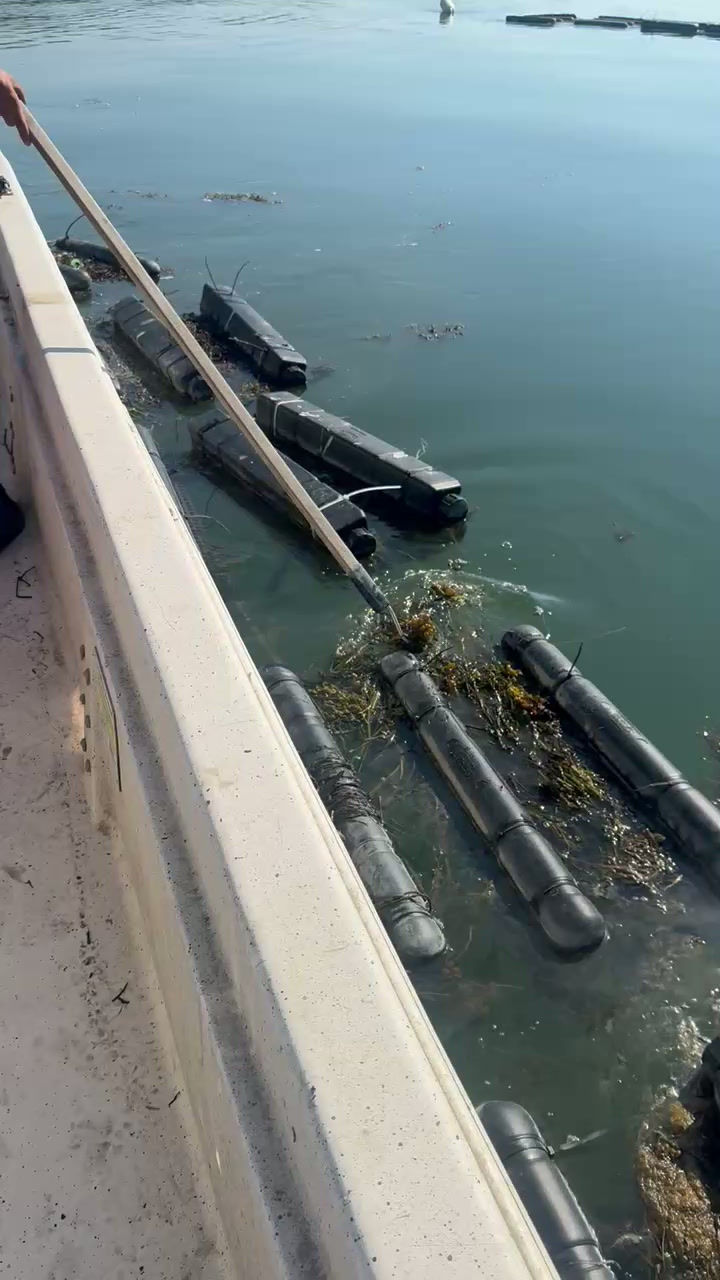
Of course, no proper Munchies morning starts without fuel. After a “quick” stop at the 'Keag Store for some breakfast sammies, we met Krista and her crew at the launch, hopped aboard, and headed out to "beat the tides" and see what raw, hard-earned oystering in Maine is really all about.
4th Generation Roots & Unmatched Hustle:
You may recognize Krista from the pages of the book Pretty Rugged, by Sea Street Publishing, which dives into the lives of lobstermen in Maine. She has been oystering for 9 years, and in that time, her Aphrodite Oysters have earned a stellar reputation as some of the absolute cleanest, crispest, and tastiest oysters on the Maine coast.
When you look at her daily schedule, it's easy to see why. Krista isn't just an oyster grower—she’s a 4th-generation lobsterman actively hauling 800 traps alongside harvesting over 8,000 oysters every single week.
It takes commitment and hustle—both of which Krista has in spades.
While Maine is home to around 150 oyster growers, Krista’s operation stands out because of her absolute refusal to cut corners. Oystering is grueling, back-breaking physical labor. The day isn't dictated by an alarm clock; it's dictated by the tides. Racks have to be handled, tumbled, and sorted rain or shine. Many people take a job on an oyster boat thinking it’s going to be a casual day on the water, only to realize very quickly just how demanding the work is. Krista makes it look effortless, but the sheer dedication to her craft shines through in every single shell.
Shucking, Wine, and the Retail Hut:
After docking back near 'Keag Store, we made our way over to Krista’s oyster shack for the grand finale: a hands-on shucking lesson, ridiculously fresh oysters, and a glass of wine (hey, we’d been up for over three hours at that point, so we earned it!)
Krista gave us the masterclass on shucking—finding the hinge, popping the point with a proper oyster knife, sliding through the adductor muscle, and severing it cleanly from the shell without spilling that precious oyster liquor. By shell number three, we were feeling like pros (a huge shoutout to Krista for gifting us a custom Aphrodite shucking knife—having the right tool for the job makes all the difference!).
A Prime Location:
Krista’s Oyster operation is in the Weskeag River. The name, came from the Abenakis, meaning a short, narrow body of water whose water levels and flow direction fluctuate dramatically twice a day with the ocean tides. That same tidal flow that gave the river its name thousands of years ago is the exact reason it remains such an ideal spot for local fisheries and oyster growers today. The constant exchange of nutrient-dense salt water through the narrow channel feeds the bay and creates the distinct merroir of the region! Cool!
The Life Cycle of a Maine Oyster:
How does a microscopic seed turn into a world-class raw bar staple? The process boils down to three core stages:
The Seed: Microscopic oyster larvae (spat) are placed in nursery systems or fine mesh bags where nutrient-rich Maine ocean water circulates, giving them the kickstart they need.
The Grow: As they expand, they are moved into larger mesh cages or surface bags. They are routinely hauled, separated, and tumbled to build strong, deep cups.
The Purge & Harvest: Prior to selling, oysters spend time in pristine, fast-moving water to purge any sand or grit, ensuring that clean, signature salinity when you pop the shell.
Did you know this about oysters?!?!?!!
Filtered Waters:
A single adult oyster can filter up to 50 gallons of water per day, making oyster farms incredible natural purifiers for coastal ecosystems.
The "Merroir" Effect:
Just like wine has terroir, oysters have merroir. An oyster raised in South Thomaston will taste completely different from one raised in the Damariscotta River due to local salinity, algae, and tidal flow.
Nutrient Powerhouses:
Beyond being delicious, oysters are packed with zinc, iron, calcium, selenium, and Omega-3 fatty acids.
How to Grab Your Own Oysters!
If you're heading down to the South Thomaston/Spruce Head area, make sure to seek out the Aphrodite Oyster Shack:
Location: 3 Powder House Cove Rd, right near McLoons Lobster Shack in South Thomaston.
Setup: An adorable, self-serve retail hut complete with a cooler and fridge stocked with freshly harvested oysters.
Payment: Super easy—grab as many as you want and pay via Venmo or the cash box.
Seating: Picnic tables are popping up so you can sit, shuck, and enjoy right on the water.
The Verdict:
If you’re a true lover of local seafood, Aphrodite Oysters needs to be at the top of your Maine bucket list (it's actually the very first stop on the Maine Oyster Trail!). These growers work relentlessly to put the highest quality seafood on our tables. Show them some local love, grab a dozen (or three), and taste the difference that real passion and hard work make. Thanks, Krista!!
TELL 'EM MUNCHIES SENT YA!!
..........................


Comments